
Precision Wheel Alignment Services in Des Moines, IA
Proper wheel alignment affects how your vehicle tracks, how your tires wear, and how confidently you maintain control. At Limitless Garage in Des Moines, we understand that precision alignment is essential for optimal vehicle performance and tire longevity. Through our partnership with trusted local alignment specialists, we ensure your vehicle receives expert alignment service that meets exact manufacturer specifications. From the initial inspection to post-alignment verification, we coordinate every detail to deliver the straight tracking and even tire wear your vehicle deserves.

Understanding Wheel Alignment and Vehicle Performance
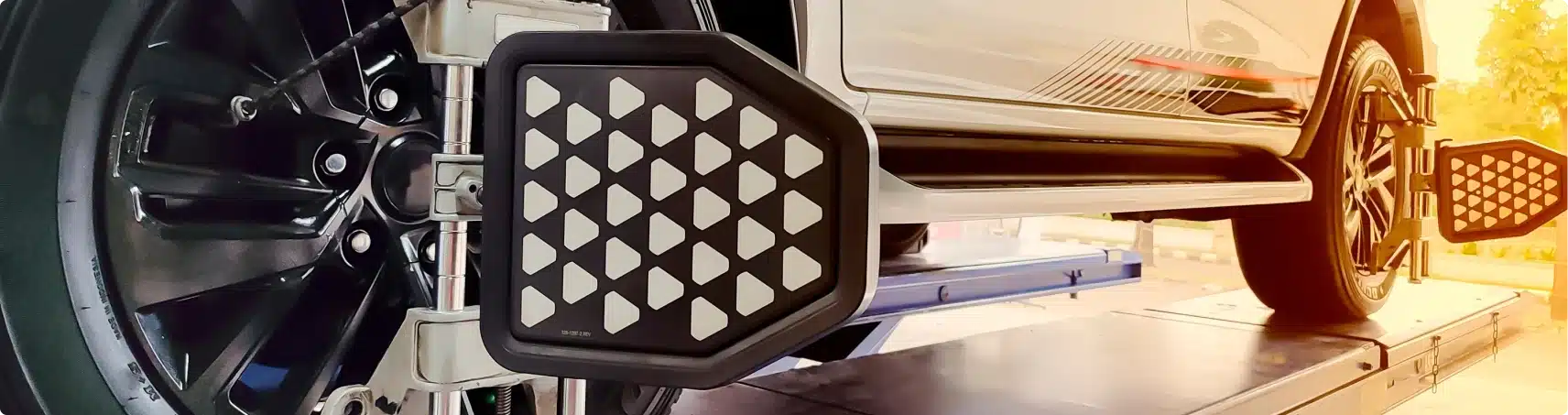
Wheel alignment adjusts your vehicle’s suspension angles so tires make optimal contact with the road. Correct alignment directly influences handling stability, tire life, and overall driving safety.
Properly aligned wheels provide:
- Straight, predictable tracking without pulling or drifting
- Centered steering wheel when driving on level roads
- Even tire wear that maximizes tire lifespan
- Improved fuel efficiency through reduced rolling resistance
- Better handling with precise steering response
Des Moines roads with potholes, curbs, and seasonal damage can knock alignment out of specification, making regular checks essential for maintaining optimal performance.
Symptoms That Point to Alignment Problems
Your vehicle communicates alignment problems through distinct symptoms. Recognizing these signs early prevents premature tire wear and maintains safe handling.
Common indicators include:
- Vehicle pulls or drifts to one side on straight, level roads
- The steering wheel sits off-center when driving straight
- Uneven or rapid tire wear on inside or outside edges
- Tires squeal or scrub during turns
- Steering feels loose, vague, or unresponsive
- Vibration or wandering sensation at highway speeds
Our Alignment Service Process
Pre-Alignment Inspection
Before alignment service, we thoroughly inspect tires, suspension components, and steering systems. This identifies worn parts like tie rods, ball joints, or bushings that could affect alignment or need replacement for lasting results.
Professional Alignment Service
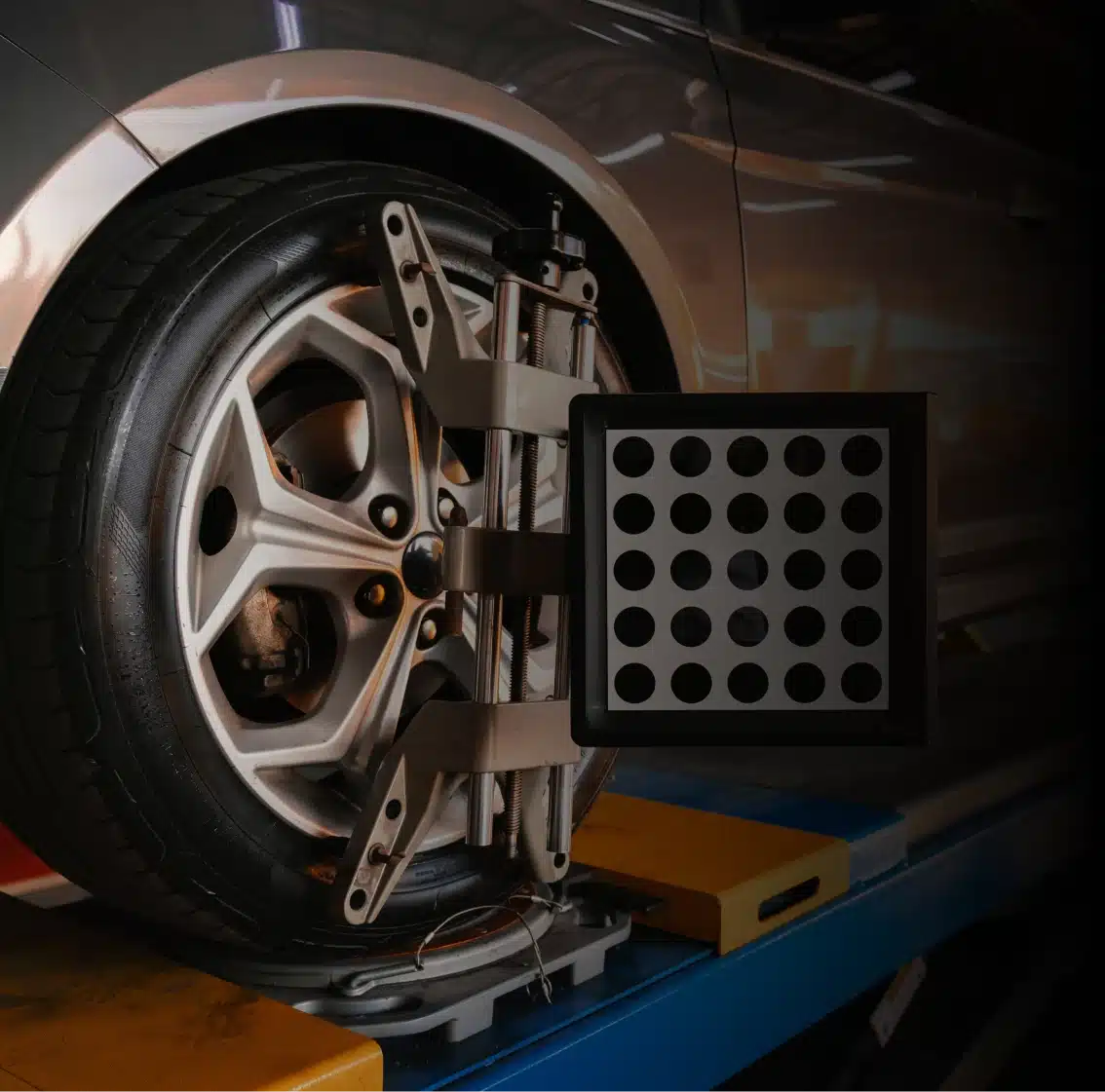
Through our partnership with experienced alignment specialists, your vehicle receives precise alignment service using professional equipment. Technicians adjust camber, caster, and toe angles to exact manufacturer specifications for optimal tire contact and vehicle tracking.
Suspension Component Evaluation
Since alignment depends on suspension health, we examine shocks, struts, control arms, and related components. Addressing worn parts protects your alignment investment and improves overall ride stability.
Combined Service Recommendations
We often recommend pairing alignment with tire rotation and balancing. This comprehensive approach promotes even tread wear, eliminates vibrations, and maximizes tire performance and longevity.
Post-Alignment Verification
After alignment service, we verify that your steering wheel centers properly, the vehicle tracks straight, and alignment specifications meet manufacturer requirements for your complete satisfaction.
Precision Alignment, Delivered Seamlessly
- Partner Network Built on High Standards – We work exclusively with alignment specialists who share our commitment to precision specifications, proper procedures, and the level of care your vehicle deserves.
- Comprehensive Pre-Alignment Evaluation – Thorough suspension, steering, and tire inspection identifies issues that could affect alignment for optimal, lasting results.
- Concierge-Level Coordination – We manage all aspects of your alignment service, from scheduling with our partners to providing loaner vehicles, so the experience feels completely effortless.
- Clear Visual Evidence – Digital vehicle inspections document tire wear and component condition, eliminating guesswork and helping you make confident decisions about alignment needs.
- Complete Warranty Protection – Our 2-year/24,000-mile warranty covers coordinated alignment services, reflecting unwavering confidence in our partnerships and commitment to your satisfaction.
Frequently Asked Questions About Wheel Alignment
How often should I get a wheel alignment?
Most vehicles benefit from alignment inspection annually or every 12,000 miles. Des Moines roads with potholes and seasonal damage may require more frequent checks to catch issues before they cause tire damage.
What happens if I don't fix alignment issues?
Poor alignment causes rapid, uneven tire wear that can cut tire life by thousands of miles. It also reduces fuel efficiency, creates unsafe handling characteristics, and can stress suspension components, leading to expensive repairs.
Is wheel alignment the same as tire balancing?
No. Alignment adjusts suspension angles to ensure proper tire contact with the road. Balancing ensures even weight distribution around each tire and wheel assembly. Both services are important, but they address different aspects of tire performance.
Do I need alignment with new tires?
Yes. Installing new tires on a vehicle with poor alignment causes immediate uneven wear, wasting your tire investment. Proper alignment ensures new tires wear evenly and deliver their full expected lifespan.