
Trusted Brake Repair Services in Des Moines, IA
Your brakes protect everything that matters, and at Limitless Garage, we treat them accordingly. Through brake systematic inspection, quality brake components, and expert workmanship that reflects 15+ years of technical expertise, we deliver brake repair services that Des Moines drivers trust with their families’ safety. From the first sign of brake wear to complete system restoration, we approach every brake repair with precision, transparency, and an unwavering commitment to getting it right. Because when your safety is on the line, excellence is the only acceptable standard.

Why Brake Health Matters
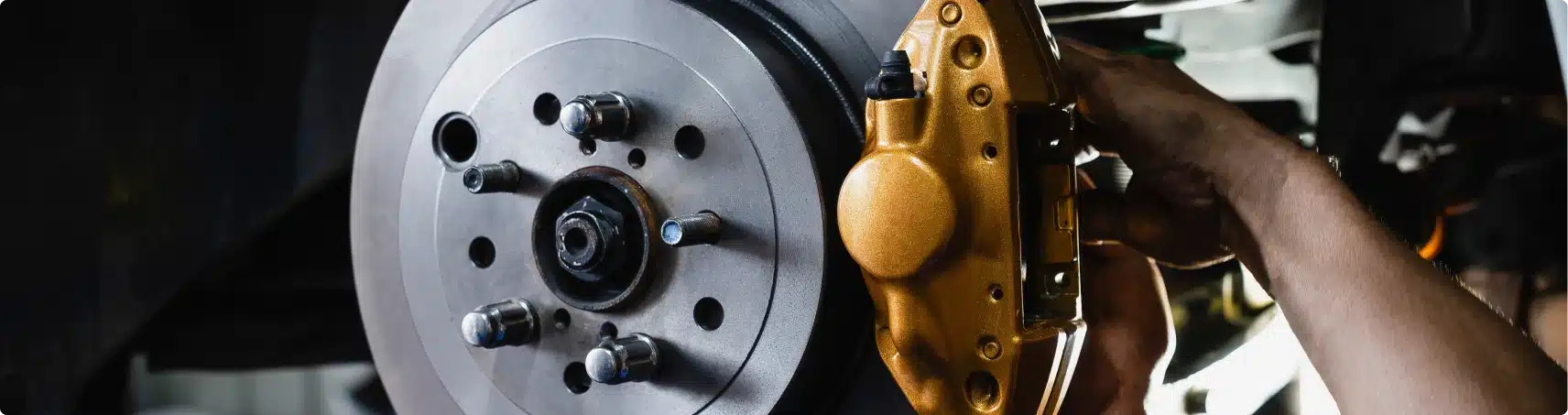
Your brakes work hard on every drive, from daily commutes through Des Moines to weekend road trips across Iowa. Healthy brakes provide the reliable stopping power and control you need in any situation.
Properly maintained brakes ensure:
- Shorter stopping distances when you need them most
- Stable, controlled braking in all driving conditions
- Reliable safety for you and your passengers
- Confidence in emergencies and everyday driving
- Protection from costly repairs caused by neglected components
Warning Signs Your Brakes Need Service
Your vehicle often signals when brake service is needed. Don’t wait for small brake issues to become major safety concerns.
Watch for these indicators:
- Squealing, squeaking, or grinding noises when braking
- Soft or spongy brake pedal feel
- Vibrations or pulsations when stopping
- Vehicle pulling to one side during braking
- Dashboard brake or ABS warning light illuminated
- Longer stopping distances than normal
- Burning smell after heavy braking
Even subtle changes in brake performance deserve professional attention. Through digital vehicle inspections, we quickly identify issues and explain exactly what your vehicle needs.
Comprehensive Brake Repair Services
Brake Pad Replacement
Brake pads wear naturally with use. When they become too thin, stopping power decreases, and rotors can suffer damage. We replace pads with quality components designed for reliable, quiet, and effective braking performance.
Brake Rotor Inspection and Replacement
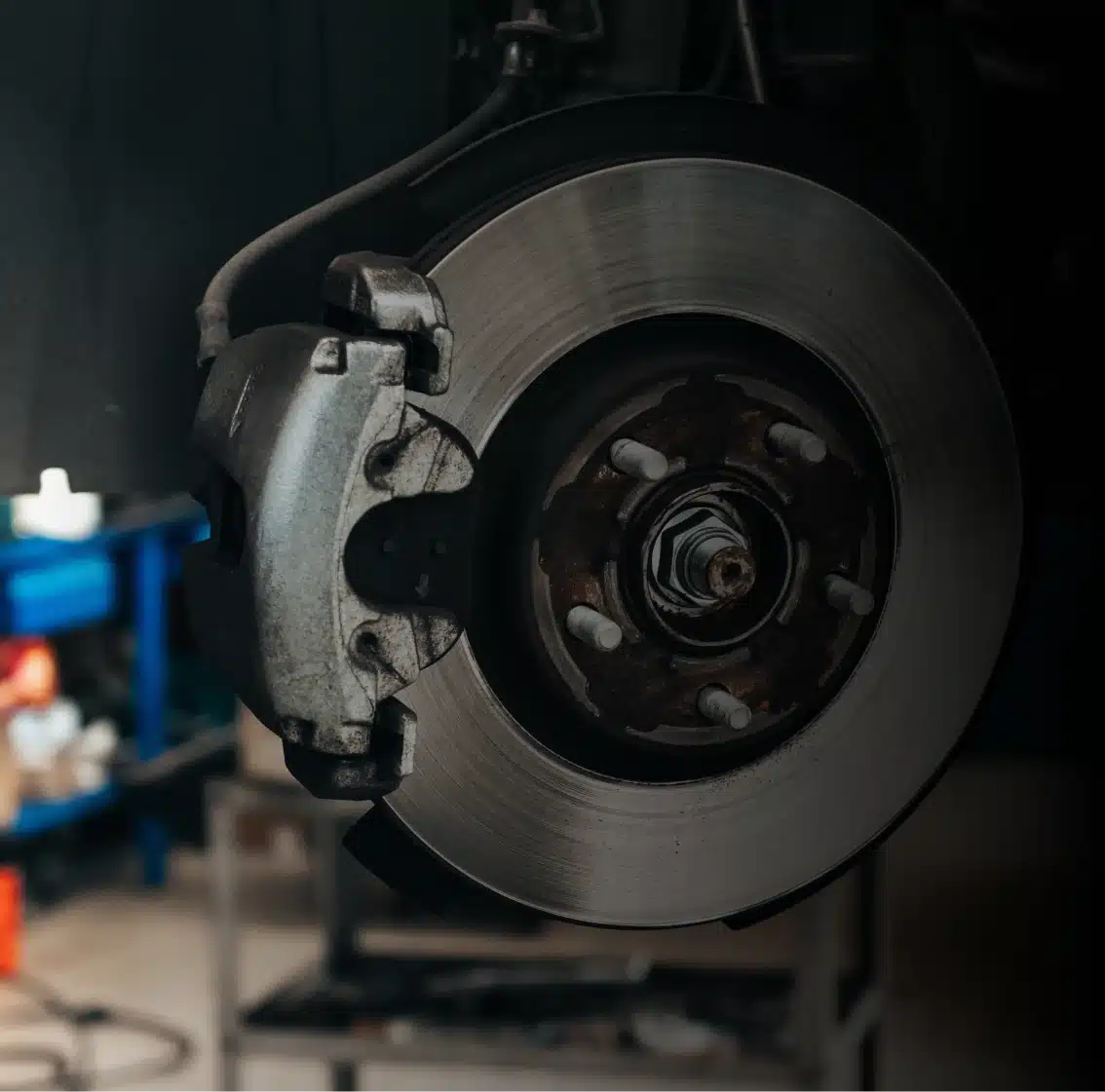
Rotors endure intense heat and friction with every stop. When rotors become warped, scored, or worn beyond specification, you may experience vibrations or noise during braking. Our technicians inspect rotors during every brake service and replace them when needed to restore smooth, consistent stopping power and ensure your safety.
Brake Caliper Service
Calipers apply pressure to brake pads against rotors. When calipers stick, leak, or fail, braking becomes uneven and potentially dangerous. We replace faulty calipers to restore proper brake balance and control.
Brake Fluid Service
Brake fluid absorbs moisture over time, leading to reduced performance and internal corrosion. Our brake fluid service removes contaminated fluid and replaces it with fresh fluid that restores proper hydraulic pressure and protects system components.
ABS System Diagnostics and Repair
When your ABS warning light illuminates, advanced diagnostics are essential. We use professional diagnostic equipment to identify sensor failures, module issues, or hydraulic problems, then perform precise repairs to restore your anti-lock braking system.
Brake Line Inspection and Replacement
Corroded or damaged brake lines compromise your entire braking system. We carefully inspect brake lines for wear, damage, or leaks, and replace compromised lines to ensure consistent, reliable brake system performance.
Complete Brake System Inspections
Every brake service includes a thorough inspection documented through digital vehicle inspections with personalized video overlays. You'll see the condition of your pads, rotors, calipers, fluid, and lines with clear explanations of what we find.
The Limitless Standard in Brake Repair
- Methodical Problem-Solving – Through systematic inspection and diagnostic testing, we identify root causes and deliver repairs that solve brake issues, not just treat symptoms.
- Precision Installation – Premium brake components that meet or exceed manufacturer specifications, installed with expert-level precision and the meticulous attention to detail your safety demands.
- Visual Evidence You Can Trust – Digital vehicle inspections eliminate uncertainty by showing you exactly what we find and why it matters, helping you make confident decisions about your safety.
- An Experience That Respects Your Time – After-hours key drop for early or late drop-offs, loaner vehicles so your day continues uninterrupted, trusted towing when brake concerns make driving unsafe, premium espresso if you wait, and thoughtful service at every touchpoint.
- Warranty-Backed Confidence – Our 2-year/24,000-mile warranty covers every brake repair, reflecting absolute confidence in our craftsmanship and component quality.
Frequently Asked Questions About Brake Repair
Why are my brakes squeaking?
Squeaking can indicate worn brake pads, moisture on rotors, or light surface rust. While minor squeaking after rain often resolves itself, persistent noise typically means pads or rotors need professional attention to maintain safe braking performance.
What causes a spongy brake pedal?
A spongy pedal usually indicates air in brake lines, low brake fluid, or a failing master cylinder. These conditions reduce braking effectiveness and require immediate professional service to restore proper pedal feel and stopping power.
How often should brake pads be replaced?
Brake pad life varies from 30,000 to 70,000 miles depending on driving habits, pad quality, and driving conditions. Regular inspections during maintenance services help identify wear before it damages rotors or compromises safety.